

The Hidden Complexity Behind “Fun”: What Cruise Ships Teach Us About Innovation
Cruise ships are extreme innovation environments where design, operations, product development, and culture must work together seamlessly—and other industries can learn from it.
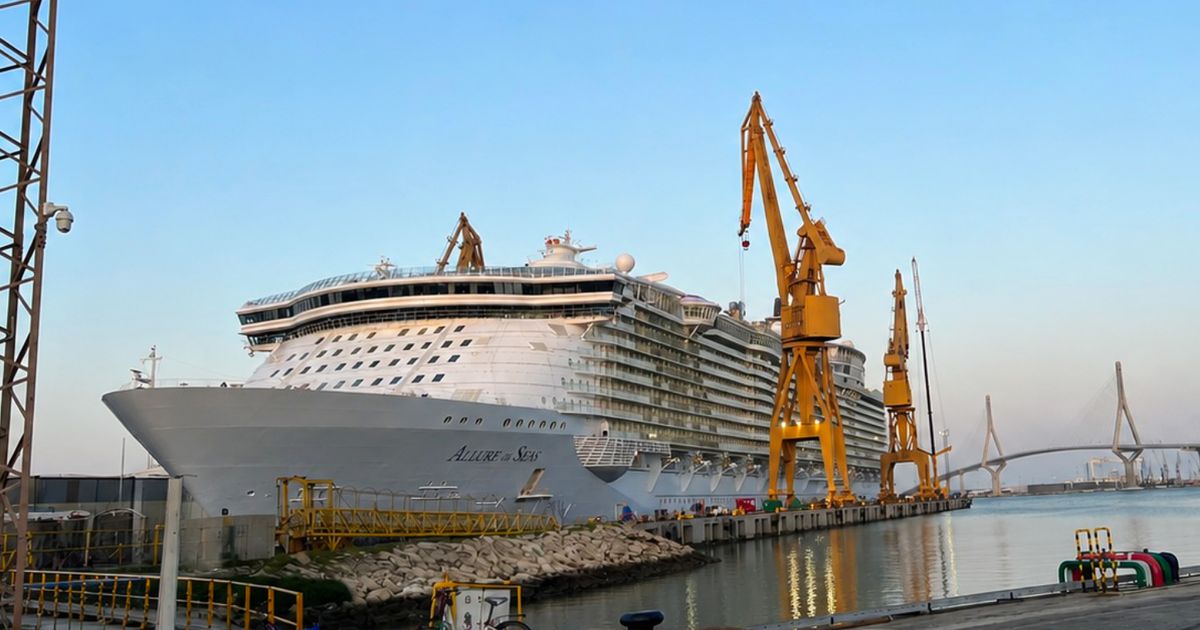
Cruise vacations are designed to feel effortless.
Guests may recognize the engineering marvel of these massive vessels—but they rarely think about the thousands of operational decisions, safety requirements, design constraints, and cross-functional teams required to make the experience feel seamless once they step onboard.
That’s exactly the goal.
The strongest experiences make people forget they’re inside what is essentially a floating hotel, entertainment venue, transportation system, retail hub, and city operating simultaneously at sea.
Behind that experience sits one of the most complex innovation environments in the world—and one that offers valuable lessons for other industries.
Innovation Rarely Starts with a Blank Canvas
Innovation is often romanticized as limitless creativity.
Cruise innovation often looks very different.
When ships are developed within existing classes, many structural footprints are already defined. Core layouts may already exist. Shipyard timelines are aggressive. Safety regulations are non-negotiable. Even small changes can create significant operational and financial ripple effects.
Teams are often asked to create something that feels entirely new within highly fixed parameters.
The challenge becomes: How do you create novelty within highly constrained environments?
That lesson applies across industries.
Consumer brands often face supplier limitations and manufacturing capabilities that can make it difficult to consistently bring product vision to life at scale. Physical spaces must navigate fixed footprints, zoning requirements, accessibility standards, climate considerations, and operational flow. Brands in regulated categories must also navigate labeling, certification, and compliance requirements that can significantly shape what reaches market.
The best teams learn how to innovate within constraints—not wait for perfect conditions.
Product Development Is Systems Thinking at Scale
One of the most fascinating aspects of cruise development is how broad the product portfolio really is.
The “product” can be:
- Restaurants
- Bars
- Pool decks
- Accommodations
- Retail spaces
- Family programming
- Entertainment venues
- Revenue-generating experiences
- Digital tools
And each category requires entirely different expertise.
A new venue isn’t just about design.
It requires operational planning, staffing models, safety compliance, architectural and engineering coordination, FF&E selection, AV and technology integration, guest demographic considerations, supply chain coordination, and execution planning.
And all of it must ultimately come together as a finished product that feels intuitive and effortless to the guest.
That’s what makes cruise product development so complex.
You’re not launching isolated products.
You’re building interconnected systems of experiences.
Great Experiences Are Built Through Touchpoints
Guests experience cruise ships through thousands of small interactions that shape how a vacation feels.
What they see.
What they hear.
What they smell.
How spaces flow.
How intuitive things feel.
How quickly friction is resolved.
It goes far beyond designing individual venues.
Teams are constantly thinking about how spaces connect, how guests move throughout the ship, how different environments feel distinct, and how every touchpoint contributes to a broader experience.
The best experience design combines storytelling, sensory detail, and operational simplicity in ways that feel immersive—but never complicated.
When done well, guests simply feel transported, cared for, and fully present in the experience.
Consumer products are no different.
Packaging, product instructions, digital touchpoints, customer support, unboxing, and usability all shape how a brand feels long after the product is purchased.
The strongest brands understand that people rarely remember isolated features—they remember how the entire experience made them feel.
Culture Can Accelerate—or Slow—Innovation
This may be one of the least discussed parts of innovation—and one of the most important.
Cruise development requires constant coordination between design teams, product teams, operational leaders, external partners, and onboard teams ultimately responsible for delivering the experience.
And in large organizations, complexity can easily create friction—especially when timelines are tight, priorities shift, teams operate in silos, and critical handoffs between development and operations break down.
When communication breaks down, innovation often suffers long before delivery/ launch.
Teams may optimize for speed over clarity. Operational adjustments happen without feedback loops. Valuable insights from frontline teams get missed. And organizations can become so focused on execution that they stop creating space for better ideas to emerge.
This challenge exists far beyond hospitality.
Many consumer brands, retailers, and service businesses face similar breakdowns between strategy, product development, operations, and customer experience.
The strongest cultures create clarity, accountability, and open communication—allowing teams to challenge ideas constructively while staying focused on the end customer.
Why This Matters Beyond Cruise Ships
Cruise ships may be an extreme example—but the underlying challenges are familiar.
Most companies are trying to innovate while managing constraints, navigating cross-functional complexity, and delivering experiences that customers increasingly expect to feel seamless.
Whether you’re building consumer products, designing physical spaces, launching services, or scaling brands, the same questions often emerge:
Can teams move fast without sacrificing quality?
Can great ideas survive operational realities?
Can organizations stay collaborative as complexity grows?
Cruising simply makes those tensions impossible to ignore.
And that’s precisely why it offers such valuable lessons for anyone building products, services, or experiences at scale.